Assessment Frameworks Influencing Bonus Structures in Seamless Mobile Live Gaming Platforms
Casey Jung · Oct 18, 2026
Assessment Frameworks Influencing Bonus Structures in Seamless Mobile Live Gaming Platforms
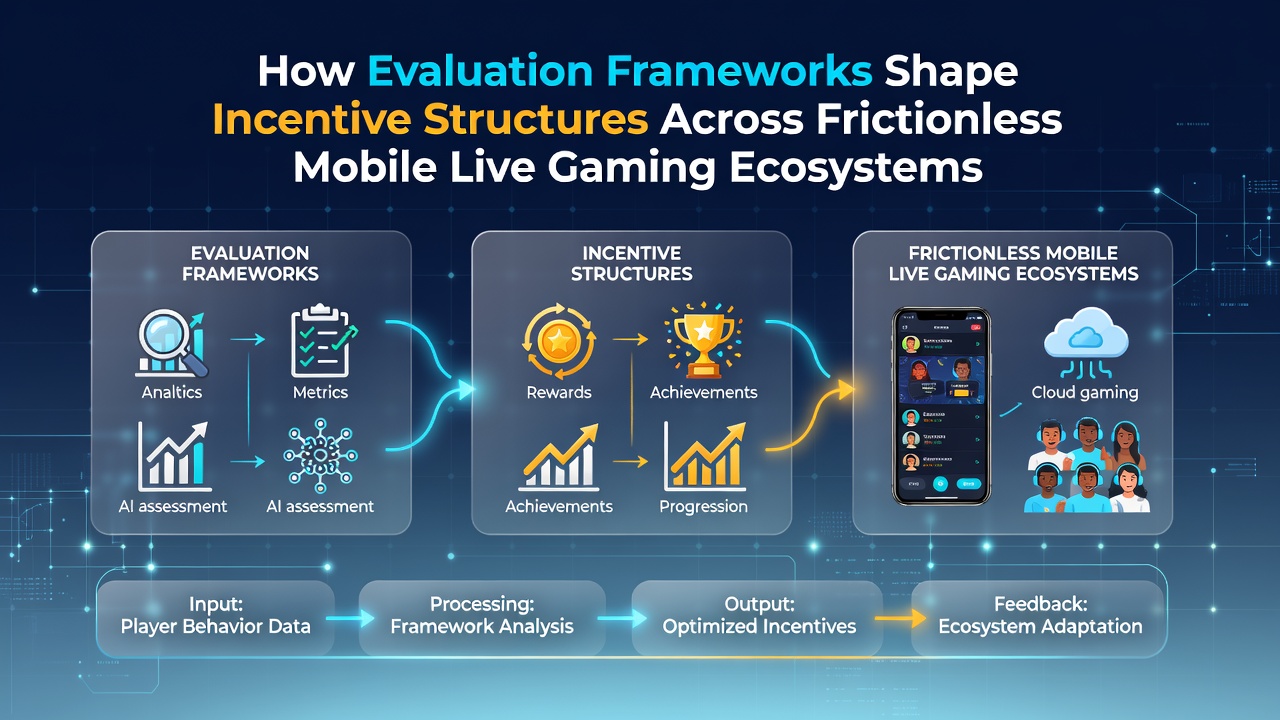
Evaluation frameworks in frictionless mobile live gaming ecosystems determine how operators allocate incentives such as deposit matches, free spins, and loyalty points, and these systems rely on data points including session duration, transaction speed, and player retention rates, according to industry reports from October 2026. Platforms without registration requirements process millions of transactions daily, and assessment models track these activities to adjust reward distributions in real time while maintaining compliance with regional regulations across multiple jurisdictions.
Data from gaming associations shows that operators integrate metrics like average bet size and withdrawal frequency into scoring systems, which then trigger specific bonus tiers for users on account-free interfaces. Researchers at academic institutions have documented how these models prioritize speed and seamlessness, leading to incentive structures that reward immediate engagement over long-term account creation.
Core Components of Evaluation Systems
Operators deploy algorithms that weigh factors such as device compatibility, live dealer interaction quality, and payment processing efficiency, and these elements combine to form composite scores that dictate bonus eligibility. One study from a North American research center revealed that platforms emphasizing low-friction entry points allocate higher percentages of revenue to instant rewards when evaluation thresholds for transaction velocity are met.
Regulatory bodies in Canada and Australia have published guidelines requiring transparent reporting of these frameworks, and figures from those sources indicate that evaluation criteria must account for responsible gaming indicators alongside commercial performance measures. This dual focus shapes incentive designs by capping certain promotions for high-risk patterns while expanding access to standard rewards for consistent players.
Regional Variations in Framework Application
In European markets, evaluation models incorporate data from multiple member states to standardize incentive rules, whereas North American operators often tailor assessments to state-specific licensing conditions. Reports compiled by the American Gaming Association detail how mobile platforms in regulated U.S. territories adjusted bonus structures in 2026 based on updated scoring for live game participation rates.
Australian regulatory updates from the same period emphasize geographic and demographic weighting in evaluation processes, and this approach results in differentiated reward schedules for users accessing games through various mobile networks. Industry data shows that such regional adaptations maintain competitive balance while aligning incentives with local compliance demands.
Impact on Player Reward Mechanisms
Evaluation outputs directly control the timing and value of promotions in registration-free environments, and operators use these outputs to shift resources toward high-performing game categories. For instance, when frameworks detect elevated engagement in live dealer blackjack, platforms increase associated free bet allocations without requiring user profiles.
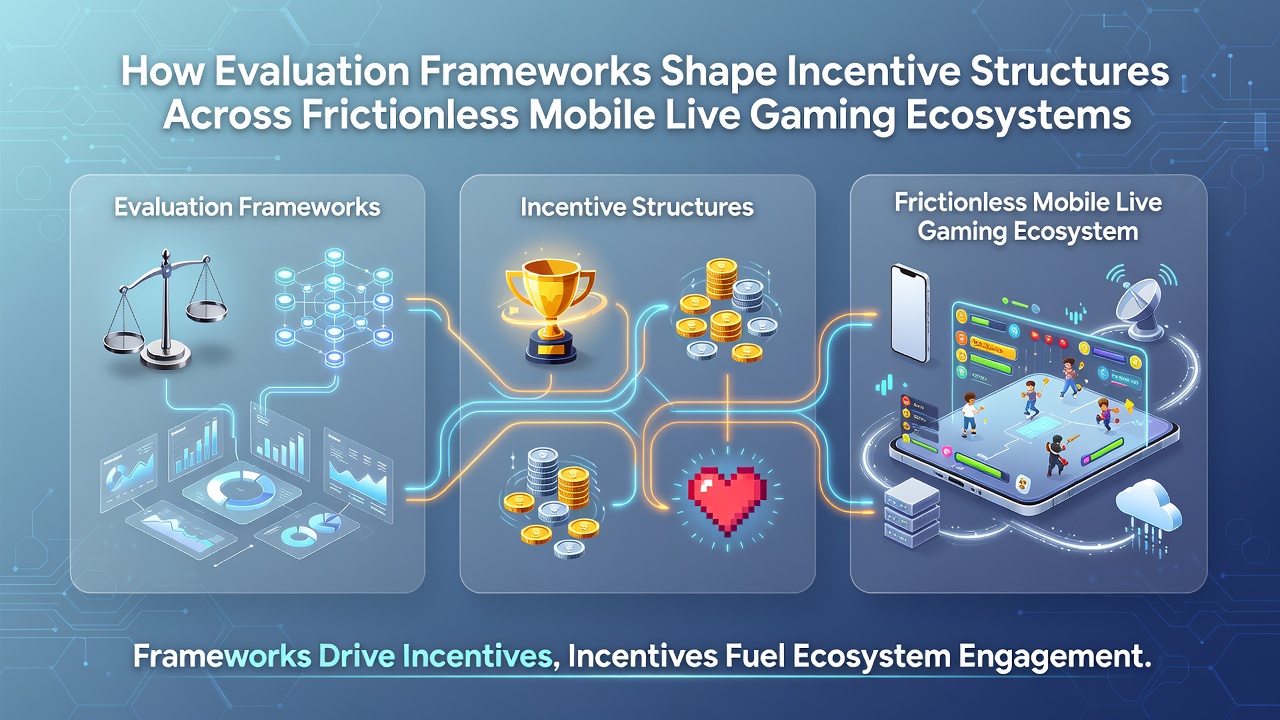
Transaction records analyzed by research institutions demonstrate that seamless payout systems receive higher framework scores, which in turn unlock accelerated reward releases for participants. This connection between assessment results and disbursement speed creates incentive structures favoring platforms with optimized backend performance.
Data Integration and Real-Time Adjustments
Modern frameworks pull information from API connections across gaming software providers, payment gateways, and user behavior analytics tools, and these integrated datasets allow operators to recalibrate incentives within hours of observed changes. Reports from Canadian iGaming oversight groups note that October 2026 saw increased adoption of machine learning components in evaluation processes, enabling finer control over bonus distribution patterns.
Those who analyze industry trends observe that real-time scoring reduces reliance on static promotion calendars, and instead favors dynamic structures responsive to live traffic volumes. Evidence from academic papers on digital gaming economies supports the observation that such flexibility improves retention metrics without increasing overall marketing expenditure.
Conclusion
Evaluation frameworks continue to define incentive architectures across frictionless mobile live gaming ecosystems by linking measurable performance indicators to reward delivery mechanisms. Data from regulatory and academic sources confirms that these systems adapt to technological and jurisdictional shifts, resulting in bonus structures that reflect both operational efficiency and compliance requirements. Continued monitoring of assessment methodologies will reveal further refinements in how operators structure player incentives through October 2026 and beyond.